Part craft, part conservation, a laid hedge is a living fence that gets better with age. Here is what actually happens when a hedge is laid.
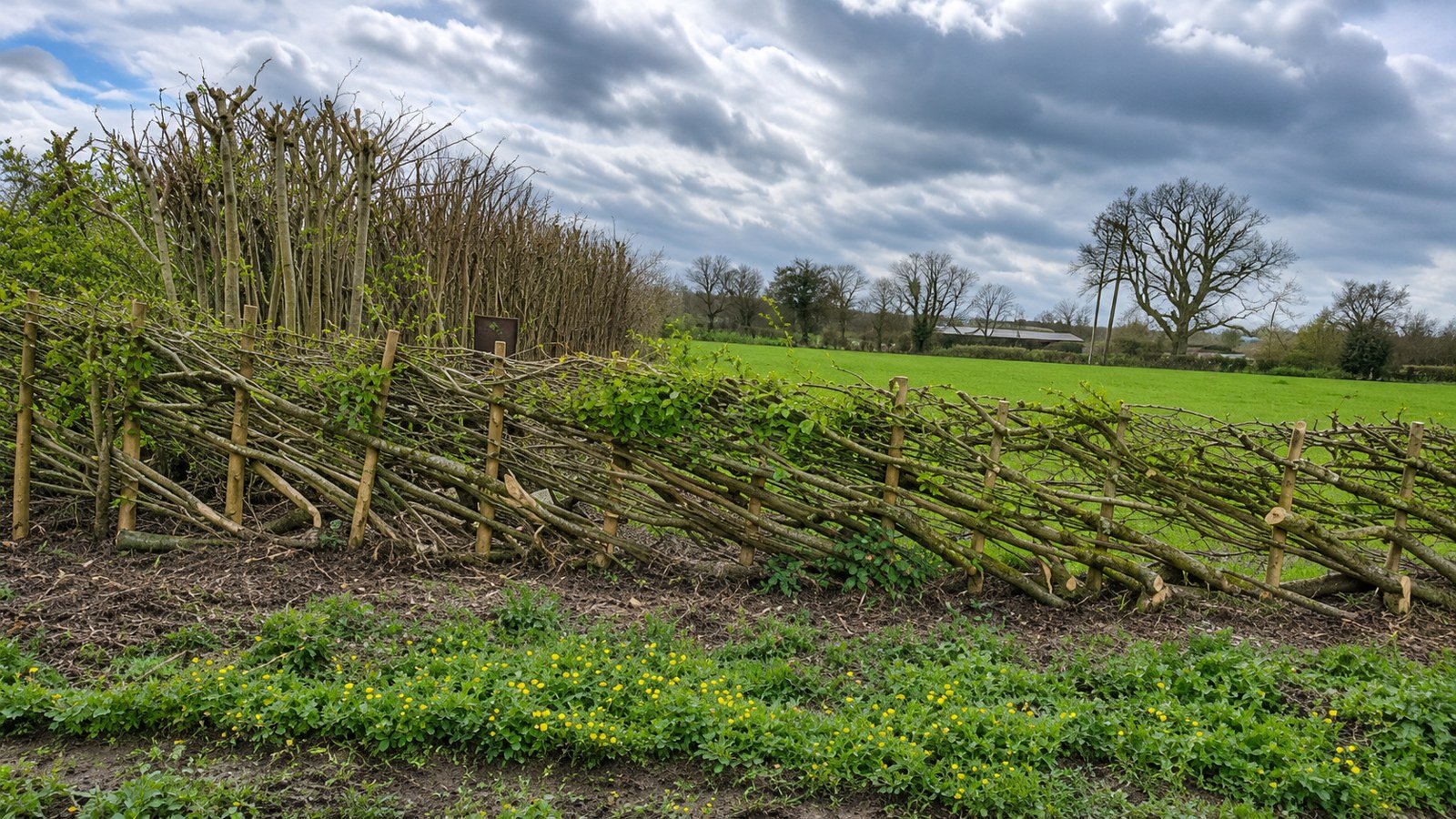
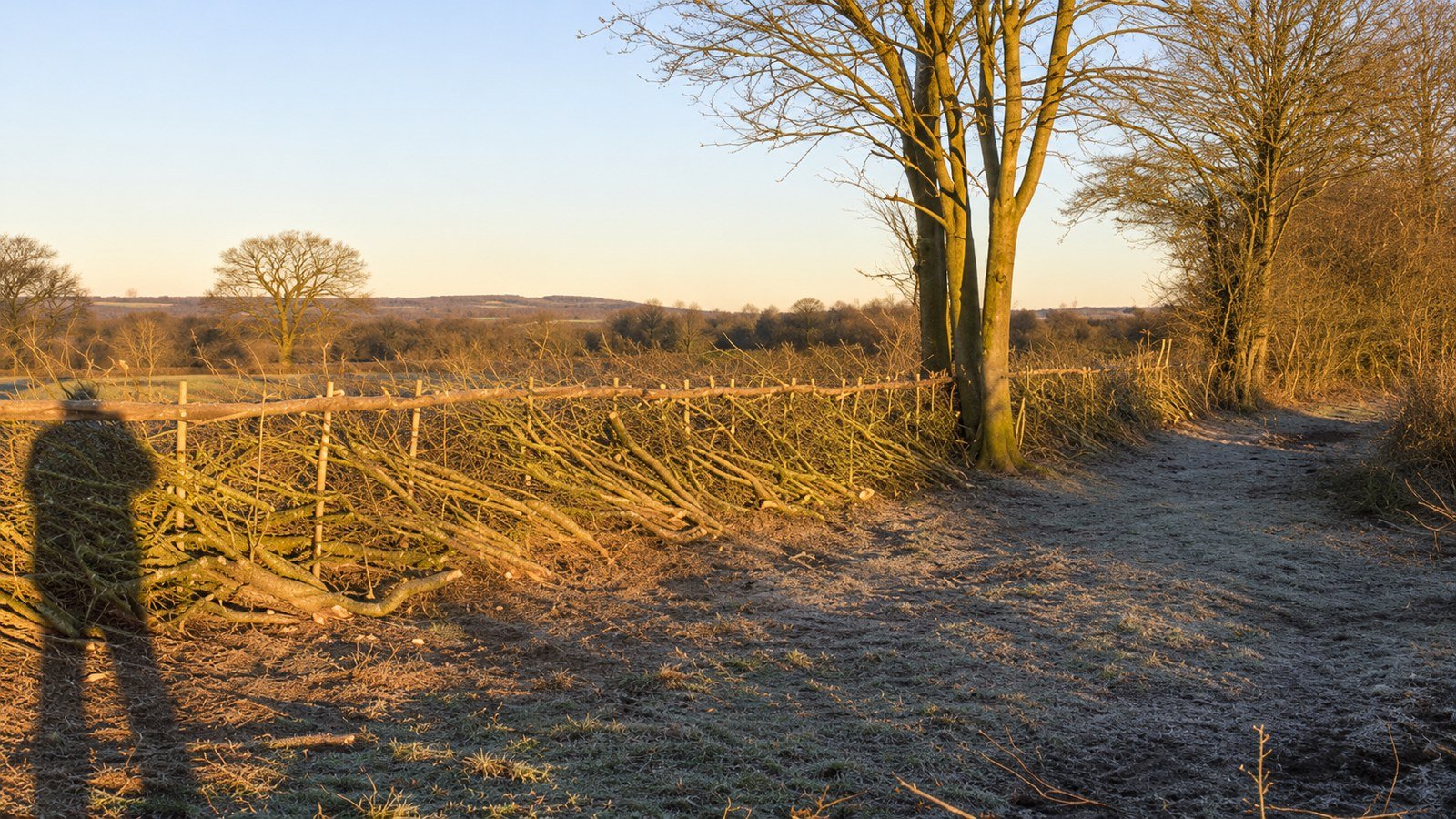
Drive down any country lane in winter and you might catch a hedge mid transformation, half of it tall and tangled, the other half pleached low and neat, with a fresh row of stakes marching along the top. That is hedgelaying, and it is one of the oldest living crafts in the British countryside.
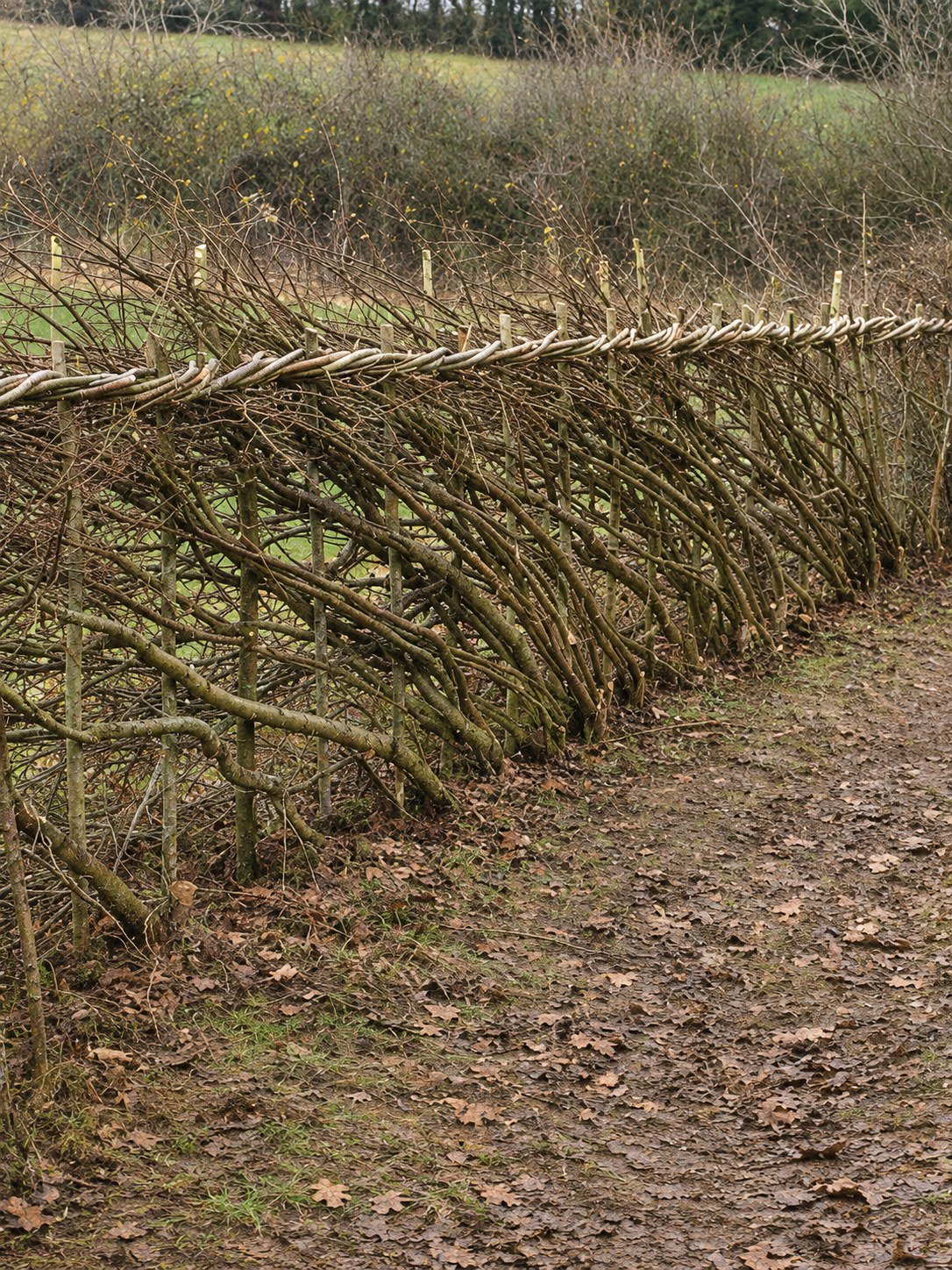
The idea is simple and clever at once. Each stem is cut most of the way through near the base, a cut known as a pleach, then bent over and laid along the line of the hedge at an angle. Enough of the stem is left connected that sap still runs, so the laid stem stays alive and sends up new growth from the bottom.
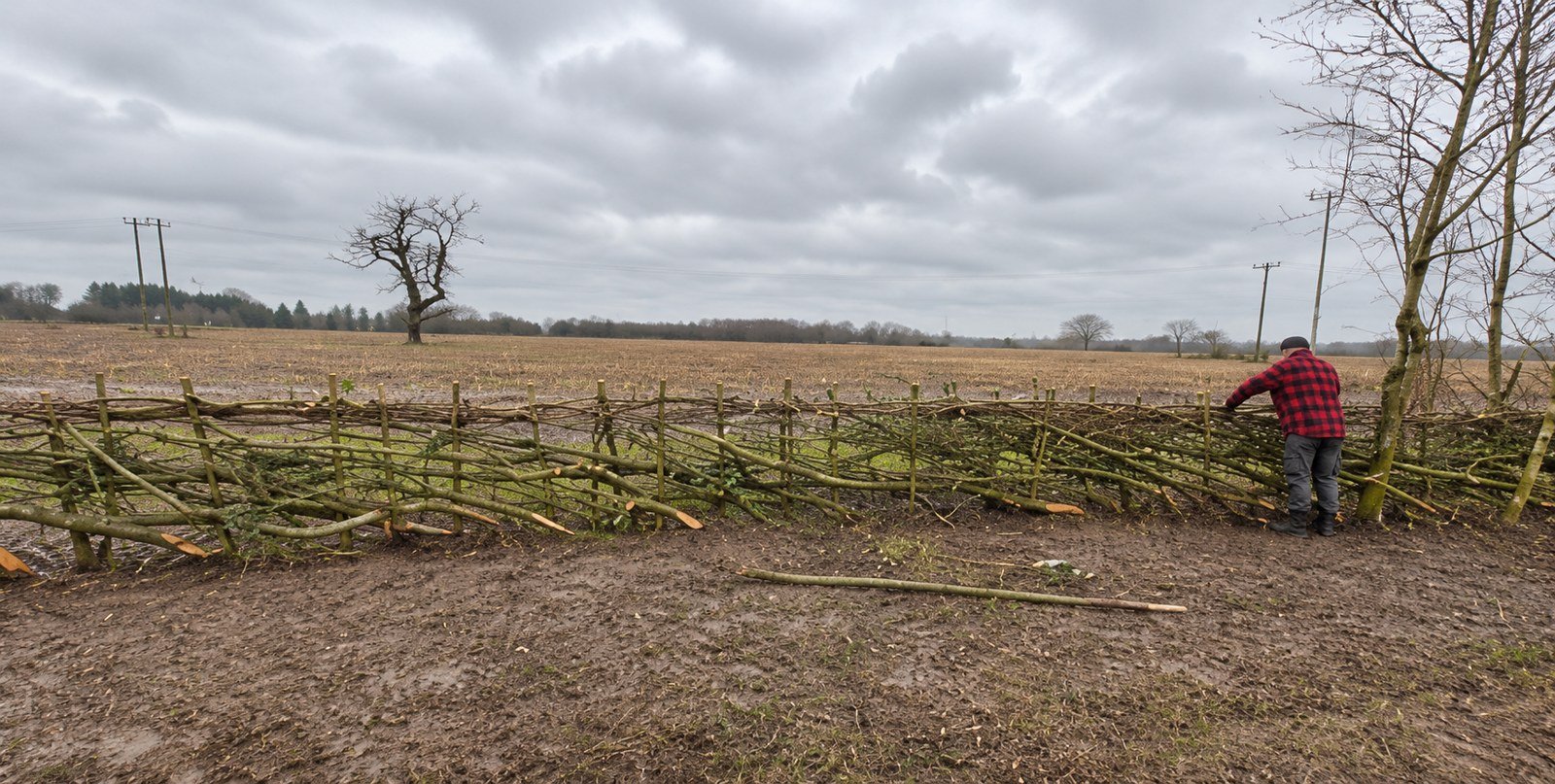
Stakes are driven in along the middle of the hedge to hold the laid material in place, and the whole top is bound together with lengths of twisted hazel. The result is a dense, low barrier that is stockproof straight away and thickens year on year.
Why go to the trouble when a post and wire fence goes up in a day? Because a laid hedge does what a fence never can. It shelters the field from wind, it holds the soil, and it gives birds, hedgehogs and countless insects a home that lasts. A fence keeps stock in. A hedge keeps a whole small world alive.
Lay a hedge well and it will stand for the best part of twenty years before it wants doing again. That is the long rhythm of the countryside, and it is a privilege to work to it.
Written by Pat Sammons
Hedgelayer across Shropshire & Staffordshire